
Behaviour help · Aggression
Dog aggression training in Toronto
Growling, lunging, snapping — at strangers, other dogs, or even your family. It is frightening, and it is fixable. This is the work Mark has done since 1992.
Here is what thirty-four years teaches: most “aggressive” dogs are frightened, not vicious. The label matters less than the fix — and fear responds fast to the right work.
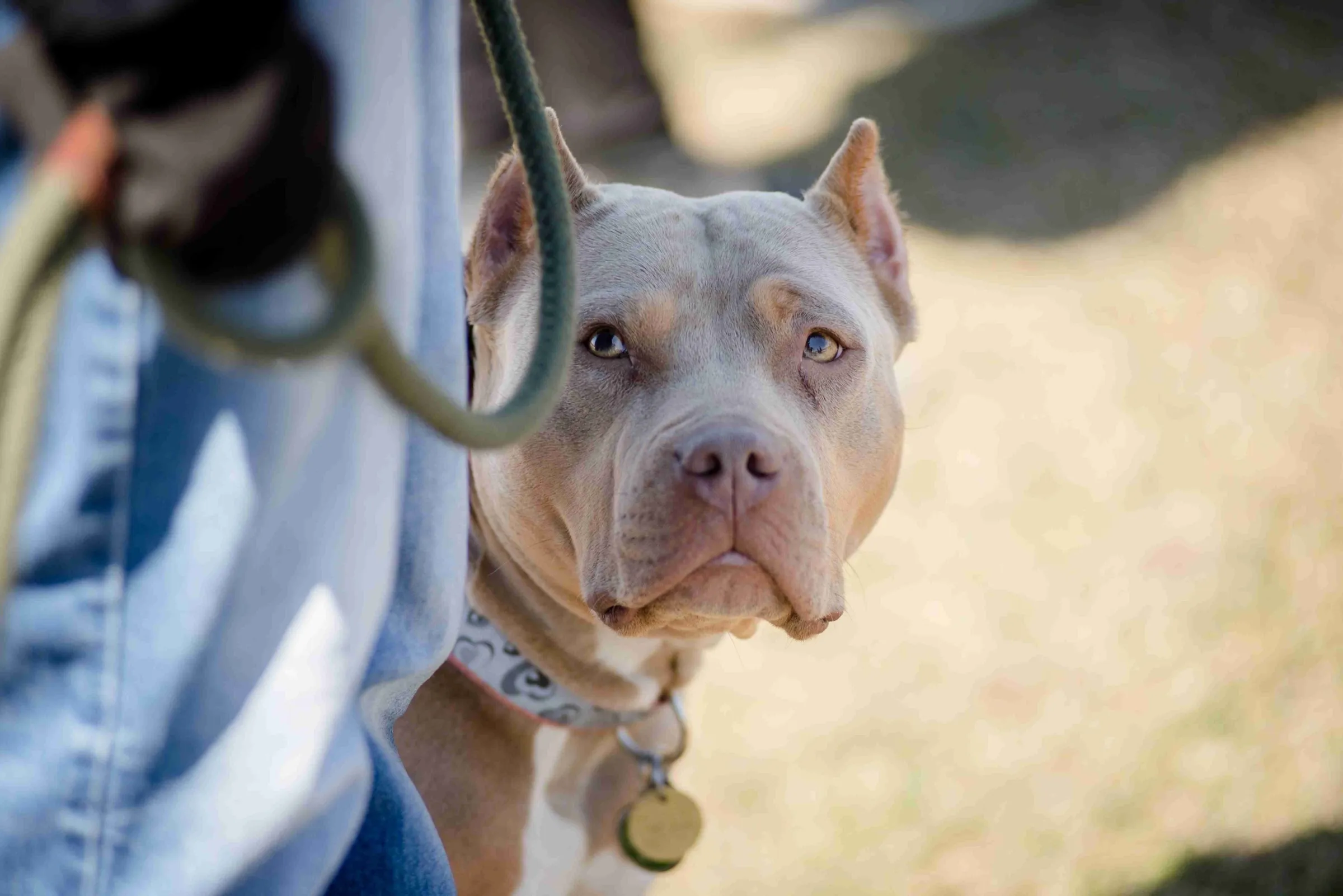
Is this your dog?
Lunges or barks at strangers or other dogs
Guards food, toys, or a person
Has nipped or bitten — or you are afraid it will
Two trainers already said no
If you nodded at any of these, book the free call. Be honest about everything — Mark has heard worse.
What Mark works with
Three kinds of aggression
Toward strangers
Toward other dogs
Around children
What Mark does
Assertive, never aggressive
The first session happens where it goes wrong — your street, your lobby, the park you have stopped using. Bite history is not something he screens out; it is most of what he works with.
Then he builds the structured walk with you. Your dog travels at your pace, aware of everything and not following the thought about any of it. That is where a dog works out who is making the choices. Mark does not teach sit — a sitting dog can still be vibrating, and that is a reprieve, not respect.
He works on a slip lead and will show you how to hold it. The correction is a snap, not a pull — moving air, the signal one dog sends another along the neck. Never to hurt, never to intimidate.
Timing is the rest of it. Mark meets your dog at a three out of ten rather than an eight, because at three it can still hear you. He matches its intensity the same way you push harder on a door that sticks — nobody is angry at the door.
Mark is vegan. As he puts it, he would be the worst vegan on the planet if he was hurting dogs and calling it training.
The structured walk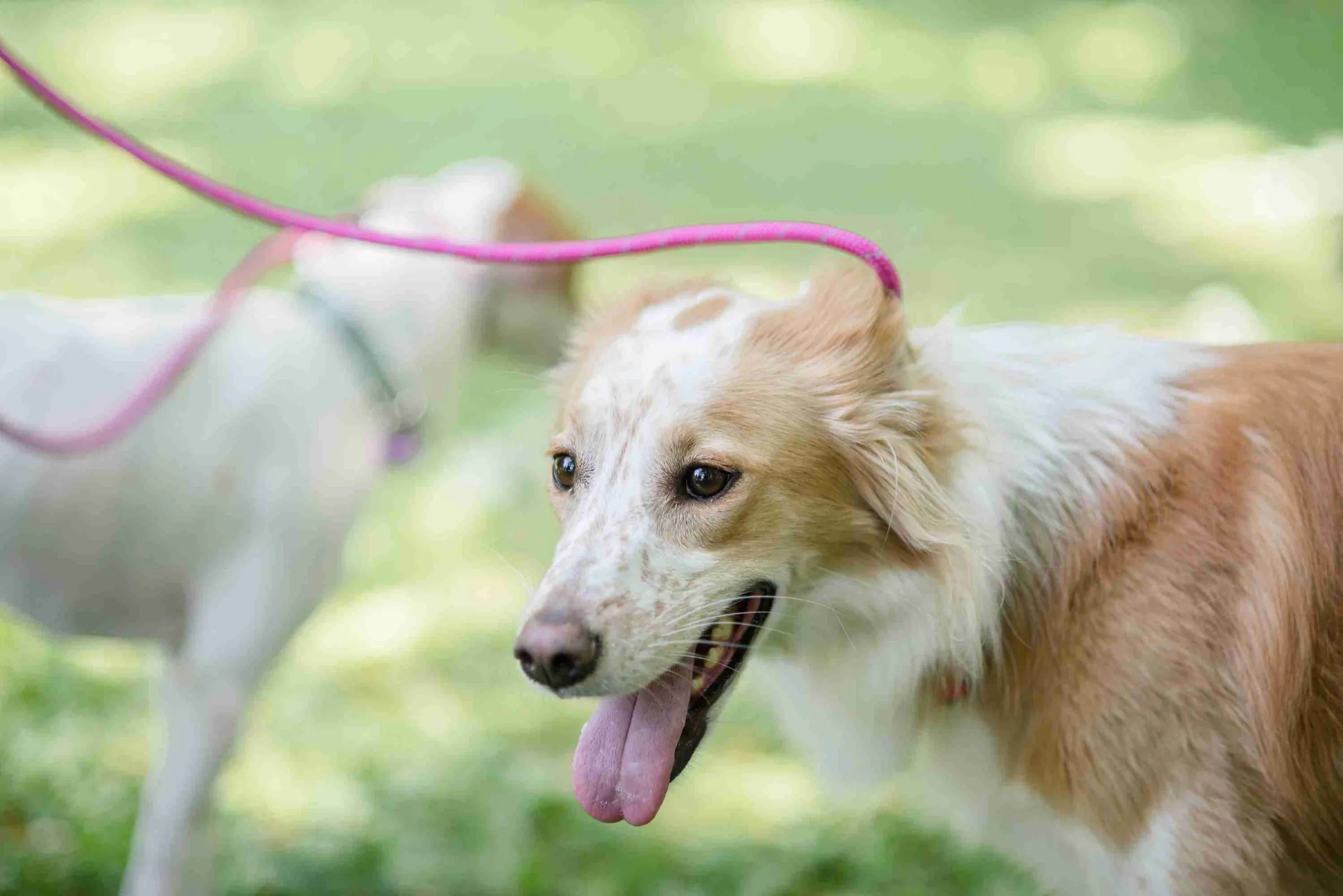
Honest expectations
No miracle promises
The first session decides the plan — nobody is sold ten sessions on a phone call. Most dogs genuinely need one to three sessions. Serious or long-standing cases take a program, and Mark will tell you which is which after the first session with your dog.
Start with the free call
Twenty minutes, no pressure. Tell Mark what is going on; he will tell you honestly whether he can help.
Also worth reading