
Behaviour help · Resource guarding
Dog resource guarding training in Toronto
Stiffening over the food bowl, freezing over a bone, growling when you come near the couch — or near one particular person.
Resource guarding is not a greedy dog. Nearly always it is fear, or a lack of respect: a dog that does not trust anyone else to make the call, so it makes the call itself.
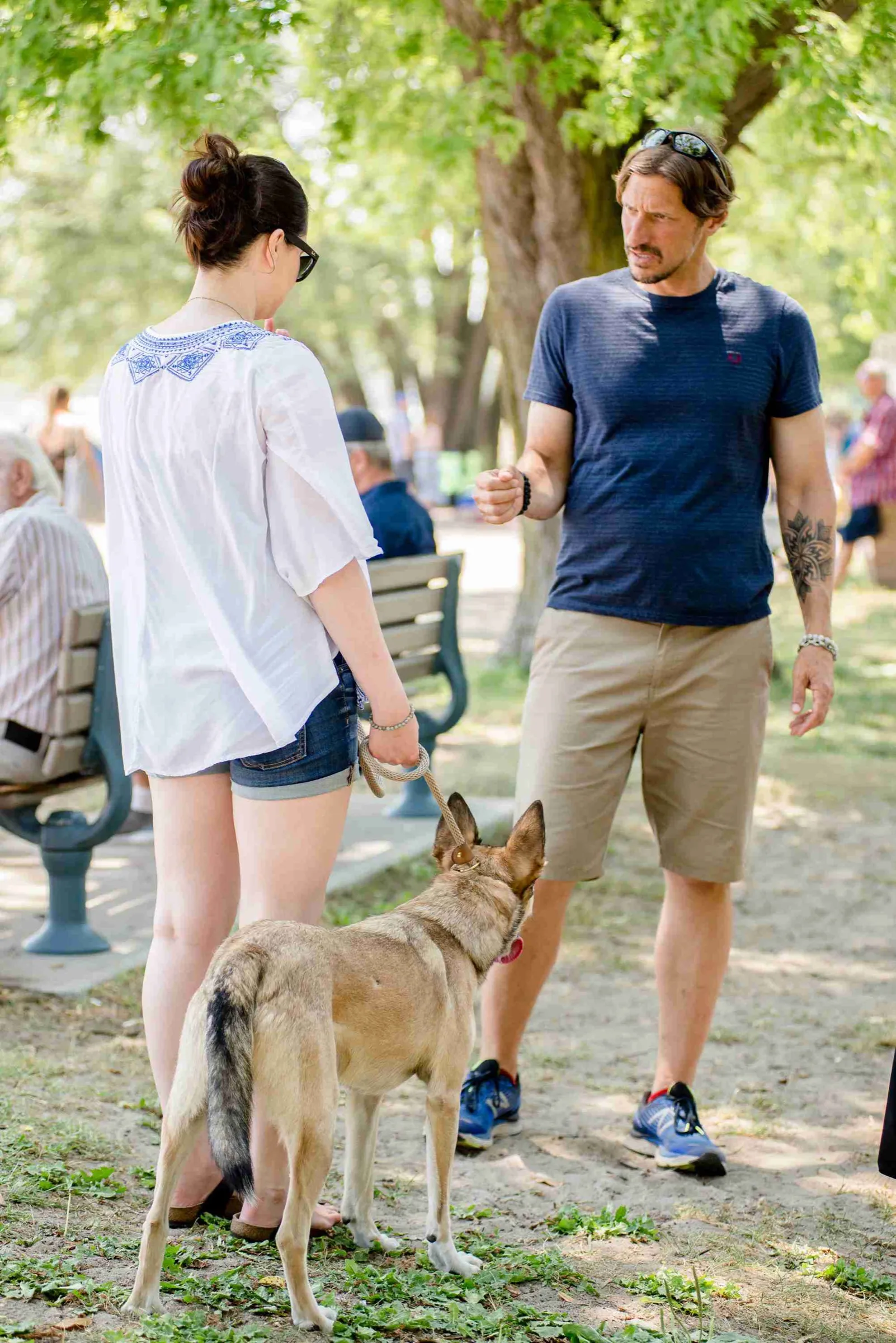
Is this your dog?
Freezes, stiffens, or shows the whites of its eyes over food
Growls or snaps when you reach for a toy, a bone, or the couch
Guards one person in the house from everyone else in it
You have started tiptoeing around your own dog
Be straight with Mark about the growls, the near misses and anything that has already happened. He has heard worse, and he cannot help with half the story.
What it looks like
Three kinds of guarding
Food and the bowl
Objects and places
Guarding a person
What Mark does
Respect first, then the bowl
Most guarding is fear or a lack of respect. Now and then it is neurotic, which is still fear underneath: a dog that is not sure who is in charge picks an item, wins the stand-off over it, and feels level with you again. Mark reads which one he is looking at in the first session, because the fix is not the same.
Guarding is not really a food problem, so Mark does not start at the bowl. He starts on the walk, because that is where a dog works out who is making the choices. A dog that has followed you calmly for an hour comes home a different animal to the one that dragged you there.
Once your dog is looking to you outside, the same quiet disagreement works inside — in the kitchen, at the couch, in the hallway. It is never harsh, never to hurt and never to intimidate. It is a signal your dog already understands, much closer to what one calm dog does to another than to anything a human would think up.
Timing is most of it. Mark works with the stiffening and the freeze — the three out of ten — rather than the snap at eight. At three your dog can still hear you and still learn something. At eight nobody is learning anything.
Food is the wrong tool here for the same reason. A dog that is guarding cannot think about the treat in your hand, and trading up teaches some dogs to guard harder for a better offer.
Bring a slip lead to the first session. Mark will show you how to fit it and how to hold it — the technique is most of the result, and it is the part that keeps working after he goes home.
Bring a slip lead — what Mark uses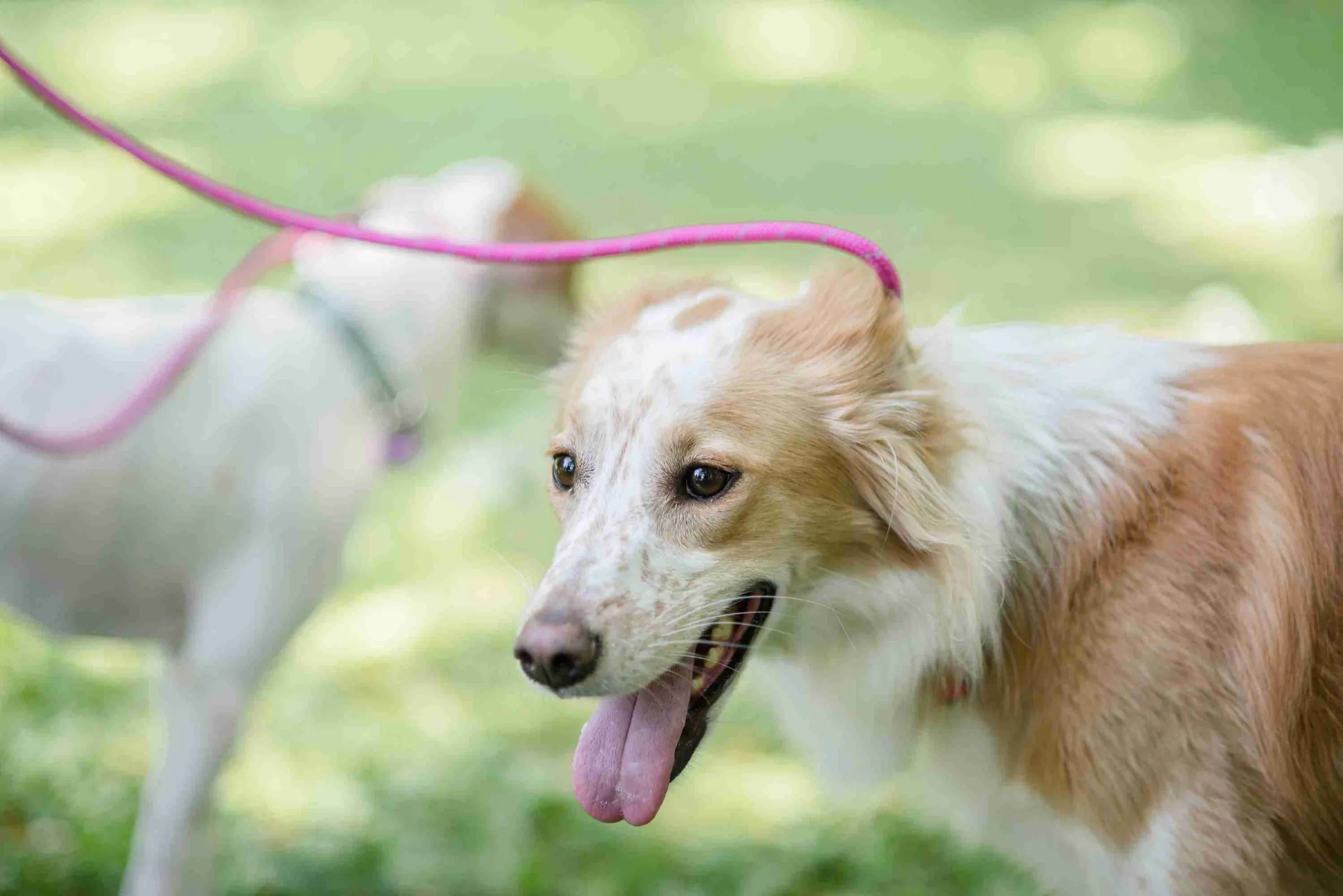
Honest expectations
No miracle promises
The first session decides the plan — nobody is sold ten sessions on a phone call. Most dogs genuinely need one to three sessions. If the dog guards around children, or has already bitten, Mark puts safety first and makes no promises he cannot keep. After the first session he will tell you straight what it will take.
Start with the free call
Twenty minutes, no pressure. Tell Mark what is going on; he will tell you honestly whether he can help.
Also worth reading
Aggression
Growling, snapping, biting — and how Mark reads the difference.
Reactivity
Lunging and barking on leash — the most common case Mark sees.
Anxiety + separation
The dog that panics alone or shakes at the door.
Not sure which? Take the quiz
Seven questions, an honest read, the right next step.